Why Engagement and Purpose Are Essential Parts of a Senior Care Plan
Ask most families what they're looking for in a caregiver, and the list looks similar: reliability, trustworthiness, experience with medical needs, help with daily tasks. Engagement rarely makes that list — not because families don't care about it, but because it doesn't feel like care in the same way that bathing assistance or medication management does.
That perception is worth examining. Because the research, and the experience of caregivers who do this work well, points to something that changes how we should think about what a care plan actually needs to include.
Engagement isn't a nice addition to care. For older adults, it is care.
------------------❤️------------------
What Happens When Engagement Is Missing
Isolation and inactivity in older adults aren't just quality-of-life concerns — they're clinical ones.
Chronic loneliness in seniors is associated with significantly elevated risk of cognitive decline, depression, cardiovascular disease, and earlier mortality. Studies have found that the health impact of prolonged isolation is comparable to smoking fifteen cigarettes a day. The body and brain respond to sustained disconnection in measurable, damaging ways.
For older adults who receive in-home care, there's a specific risk that families don't always anticipate: the caregiver comes, completes the tasks, and leaves — and the hours in between are empty. The physical needs are met. The emotional and cognitive ones aren't.
This is the gap that purposeful engagement is designed to fill.
------------------❤️------------------
The Difference Between Activity and Engagement
Not all activity is engagement, and the distinction matters.
Turning on the television fills time. Sitting with someone while they work through a crossword puzzle, asking about the stories behind family photographs, playing cards, reading aloud, tending a small garden together — these are different in kind, not just degree. They activate cognition, require interaction, produce a sense of accomplishment, and create genuine connection.
Engagement, in the context of senior care, means activity that connects a person to something meaningful — to their history, their interests, their relationships, or their sense of usefulness in the world. It doesn't require elaborate programming. It requires attention to who this person actually is.
A retired teacher might light up when asked to explain something. A former cook might find real pleasure in preparing one component of a meal, even if full cooking is no longer safe. Someone who spent decades gardening might derive enormous satisfaction from repotting a single plant. The task is almost secondary — what matters is that it connects to a self that still exists and still has things to offer.
------------------❤️------------------
What the Evidence Shows
The research on engagement and cognitive health in older adults is consistent enough to be worth taking seriously:
Cognitively stimulating activities — conversation, reading, games, learning, creative work — are associated with slower cognitive decline and reduced risk of dementia. Social interaction, even in modest amounts, has measurable effects on mood, cognition, and physical health. Physical activity, even gentle movement like walking or stretching, improves balance, reduces fall risk, and has documented effects on mood and cognitive function. And a sense of purpose — feeling that one's presence matters, that one contributes something — is independently associated with better health outcomes and longer life.
None of this requires a clinical intervention. It requires a care plan that takes these needs as seriously as it takes medication management.
------------------❤️------------------
How Good Caregivers Build Engagement Into Daily Care
The caregivers who do this well don't treat engagement as a separate agenda item — something that happens after the "real" care is done. They weave it through the day.
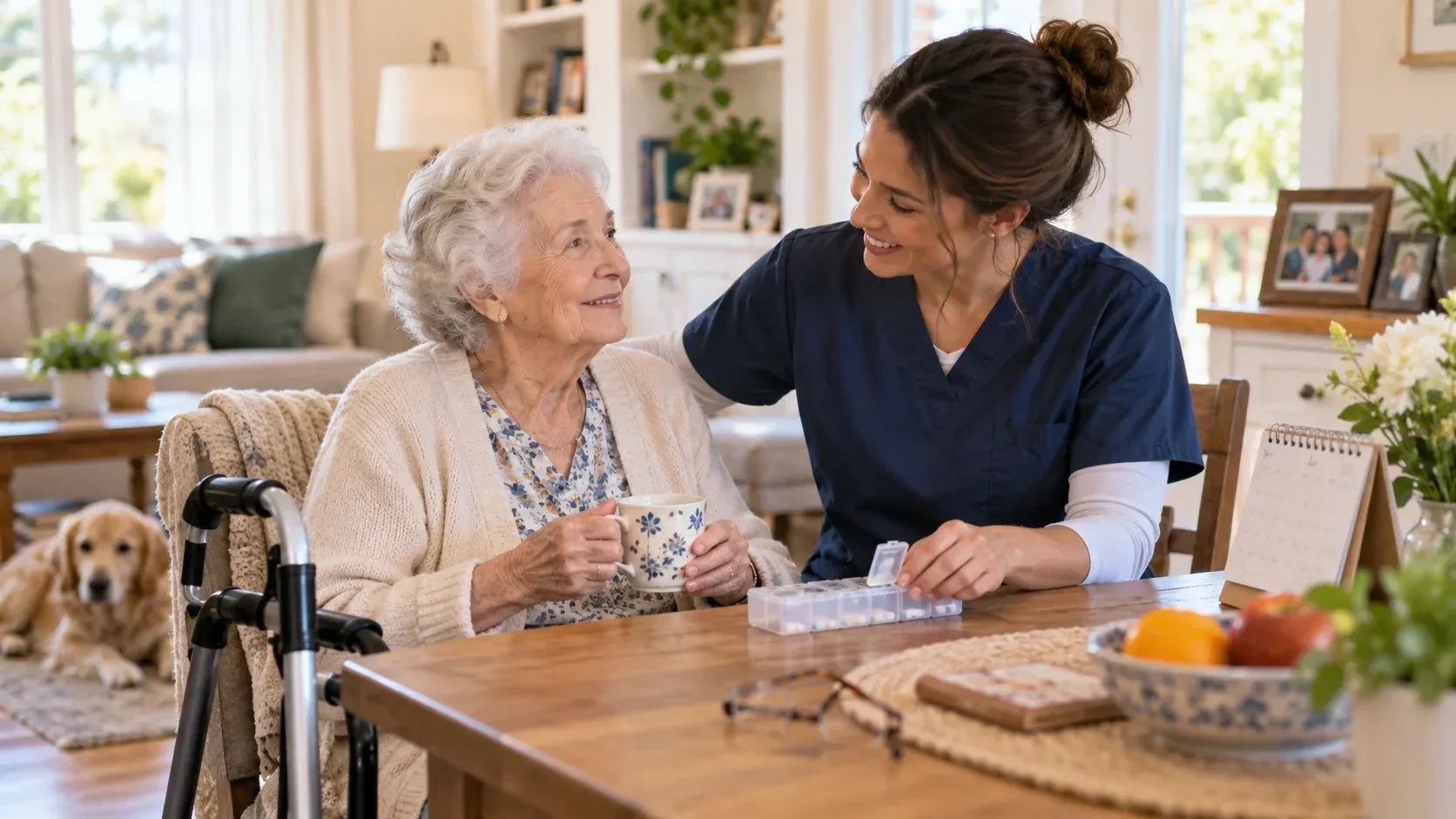
A morning routine becomes an opportunity for conversation. Meal preparation becomes something done together rather than done for. A walk isn't just exercise — it's time outside, with another person, noticing things. These aren't add-ons. They're how a skilled caregiver turns task-based care into something that actually improves a person's life.
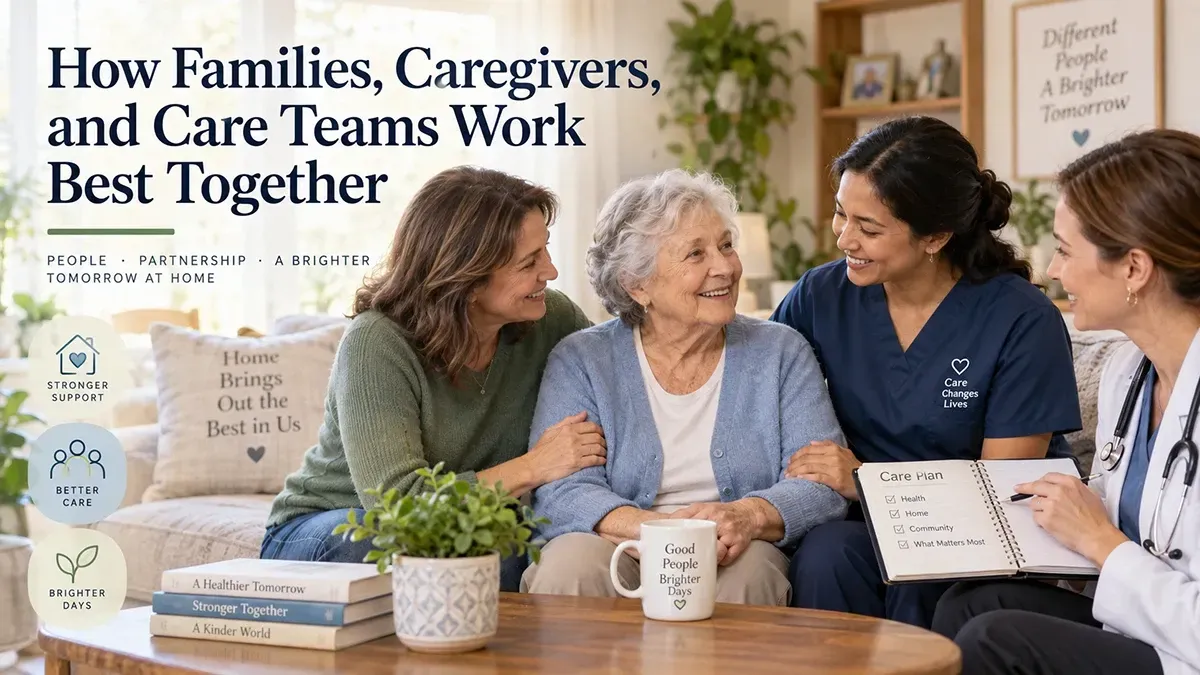
At Philia, care plans are built around this understanding from the start. When a new client is matched with a caregiver, the goal isn't just finding someone who can handle the physical requirements — it's finding someone whose personality, interests, and approach are likely to create genuine connection. A caregiver who shares a client's love of old films, or who has the patience and curiosity to draw out someone who is quiet and reserved, is providing something that no checklist can capture.
The care plan itself documents more than tasks. It includes what the client enjoys, what matters to them, what their life has looked like, and what still brings them pleasure. That information shapes every visit.
------------------❤️------------------
What Families Can Do
Families are often the best source of engagement intelligence — they know what this person has loved, what they've been proud of, what topics make them come alive. That knowledge is genuinely useful, and sharing it with a care team changes the quality of care.
A few things worth communicating to a caregiver or care coordinator:
What did your parent do for work, and what did they love about it? What hobbies have they had over their lifetime — even ones they've set aside? Who are the people they most enjoy talking about? What topics make them engaged and animated? Are there things they've always wanted to learn or do? Is there music, food, or places that carry particular meaning?
None of this needs to be formal. A conversation with the caregiver, a few notes shared with the care coordinator, a photo or two that prompts a story — these things, passed along, become the raw material for care that feels genuinely human.
------------------❤️------------------
Engagement Looks Different at Every Stage
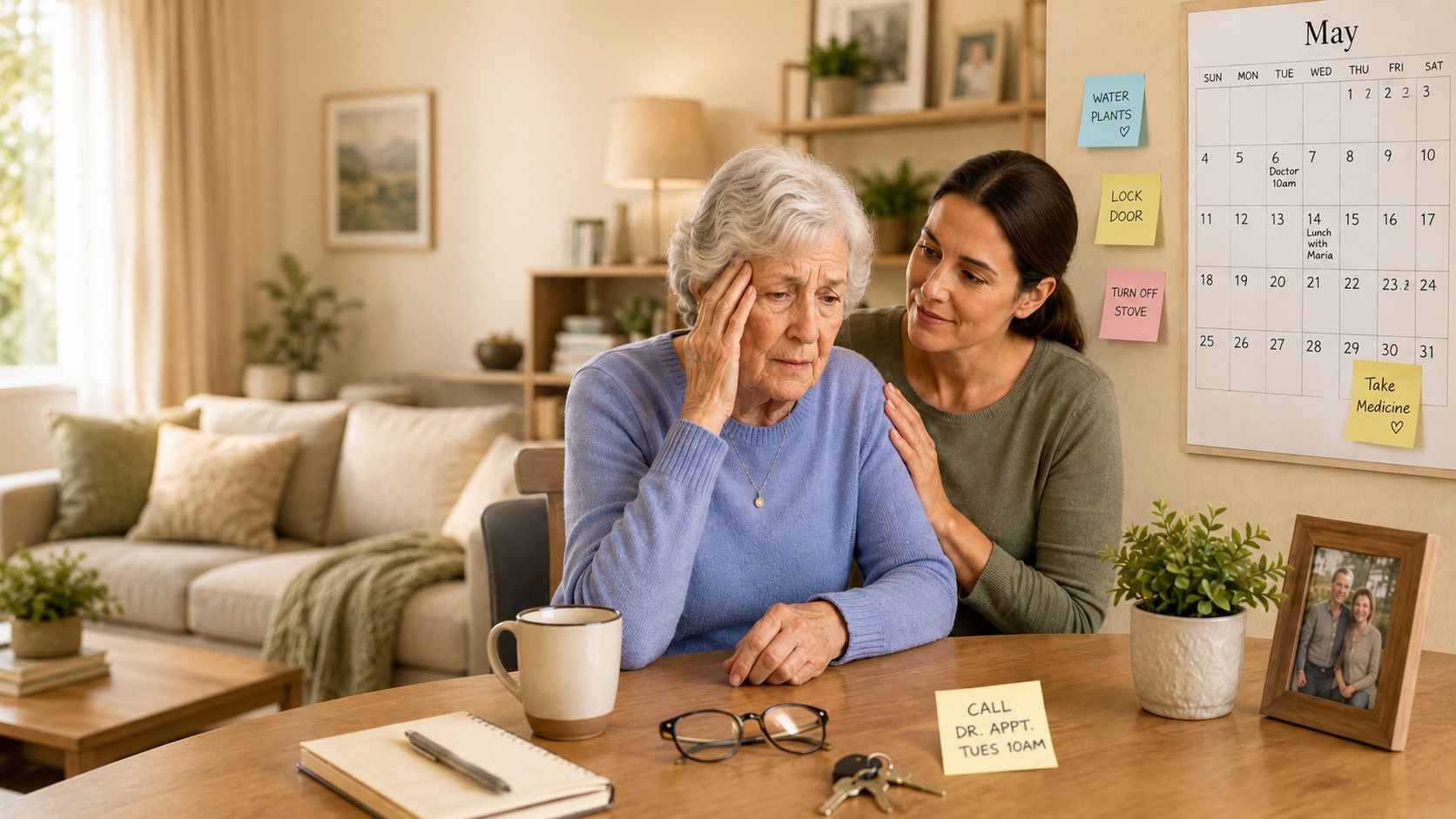
It's worth naming that what engagement means changes as a person's condition changes. Someone in early cognitive decline may be able to participate in complex conversations, manage a hobby independently, and engage with the wider community. Someone in a later stage may find meaning in simpler sensory experiences — a familiar song, the feel of a soft blanket, a hand held quietly.
Neither is less valid. The principle — that connection and stimulation matter, that purpose is not a luxury — holds across the full spectrum. A skilled caregiver adjusts the form without abandoning the intention.
------------------❤️------------------
A Care Plan That Sees the Whole Person
When families are evaluating home care options, it's worth asking directly: how does your agency approach engagement? What's in the care plan beyond tasks? How do you match caregivers to clients, and what role does personality and connection play in that process?
The answers reveal a lot about what daily care will actually look like — and whether the person receiving it will thrive, or simply be maintained.
At Philia, we believe the difference between those two outcomes is significant. If you'd like to understand what a care plan built around the whole person looks like in practice, we'd welcome the conversation.
While the information provided in this blog is intended to be informative and helpful, it's important to consult with a qualified professional for personalized advice. If you have any concerns or questions about your health or specific medical conditions, don't hesitate to reach out to your physician or another trusted healthcare provider. Your health is important, and seeking professional guidance ensures you receive the best care tailored to your individual needs.