
How to Make a Home Safer for Aging in Place
For most older adults, the preference is clear: stay home. Not a facility, not a relative's spare room, home. The familiar kitchen, the backyard they've tended for decades, the bedroom where they've woken up for years. Home carries a weight that no care brochure can replicate.
And in most cases, staying home is entirely possible. But it requires honest attention to something families often put off: the home itself.
A house designed for a 40-year-old body doesn't automatically work for an 80-year-old one. Falls, limited mobility, medication errors, and isolation don't announce themselves in advance. They exploit overlooked gaps, a loose bathroom rug, a poorly lit stairway, a medication cabinet that's inconvenient to manage. The good news is that most of these gaps are fixable, often without major renovation.
Here's a practical, room-by-room guide to what matters most.
------------------❤️------------------
Start With a Safety Walk-Through
✔️ Before making changes, walk through the home the way your parent or loved one does. Sit where they sit. Notice what they reach for. Try the lighting at night. It sounds simple, but this perspective shift surfaces problems that are invisible from a standing, able-bodied vantage point.
✔️ Look for: tripping hazards at floor level, surfaces they use to steady themselves, distance between key areas (bedroom to bathroom, kitchen to living area), and anything that requires strength, balance, or vision they may no longer have reliably.
------------------❤️------------------
Bathroom: The Highest-Risk Room
The bathroom is where most falls happen, and where the consequences tend to be most serious. It's also where relatively small changes make the biggest difference.
✔️
Grab bars are the single most impactful addition. Install them next to the toilet and inside the shower or tub, not suction-cup versions, but professionally mounted bars anchored to studs. They're inexpensive and often covered by long-term care insurance.
✔️
Non-slip surfaces matter more than most people expect. A bathmat that shifts underfoot or a slick tub floor can cause a fall in seconds. Non-slip mats with suction backing, textured tub inserts, and non-slip adhesive strips make wet surfaces significantly safer.
✔️ Walk-in showers are worth considering for anyone with significant mobility concerns. Eliminating the step-over threshold of a standard tub removes one of the most common fall triggers.
✔️ A raised toilet seat or a toilet with a higher seat height reduces the strain and instability of lowering and raising, especially for those with hip or knee issues.
------------------❤️------------------
Bedroom: Ease of Access Overnight
Most bathroom falls happen at night, during overnight trips from bed. That means the bedroom matters too.
✔️ Ensure there's a clear, unobstructed path from the bed to the bathroom, no rugs, cords, or furniture in the way. Night lights with motion sensors are a simple, effective fix.
✔️ Bed height is often overlooked. A bed that's too low creates difficulty getting up; one that's too high is unstable to climb into. Adjustable bed frames or mattress risers can solve this without replacing furniture.
✔️ Keep
frequently used items within easy reach glasses, phone, medications to reduce nighttime movement and the temptation to rush.
------------------❤️------------------
Kitchen: Independence and Safety Together
The kitchen is central to independence. The goal isn't to restrict access but to make it safer and less effortful.
✔️ Reorganize storage so that frequently used items are between hip and shoulder height, no climbing, no crouching. Heavy pots or appliances stored low can cause falls when someone bends, loses balance, or can't fully lift them.
✔️ Lever-style faucet handles replace round knobs and are significantly easier to operate for those with arthritis or reduced grip strength. The same logic applies to cabinet hardware D-ring pulls instead of small knobs.
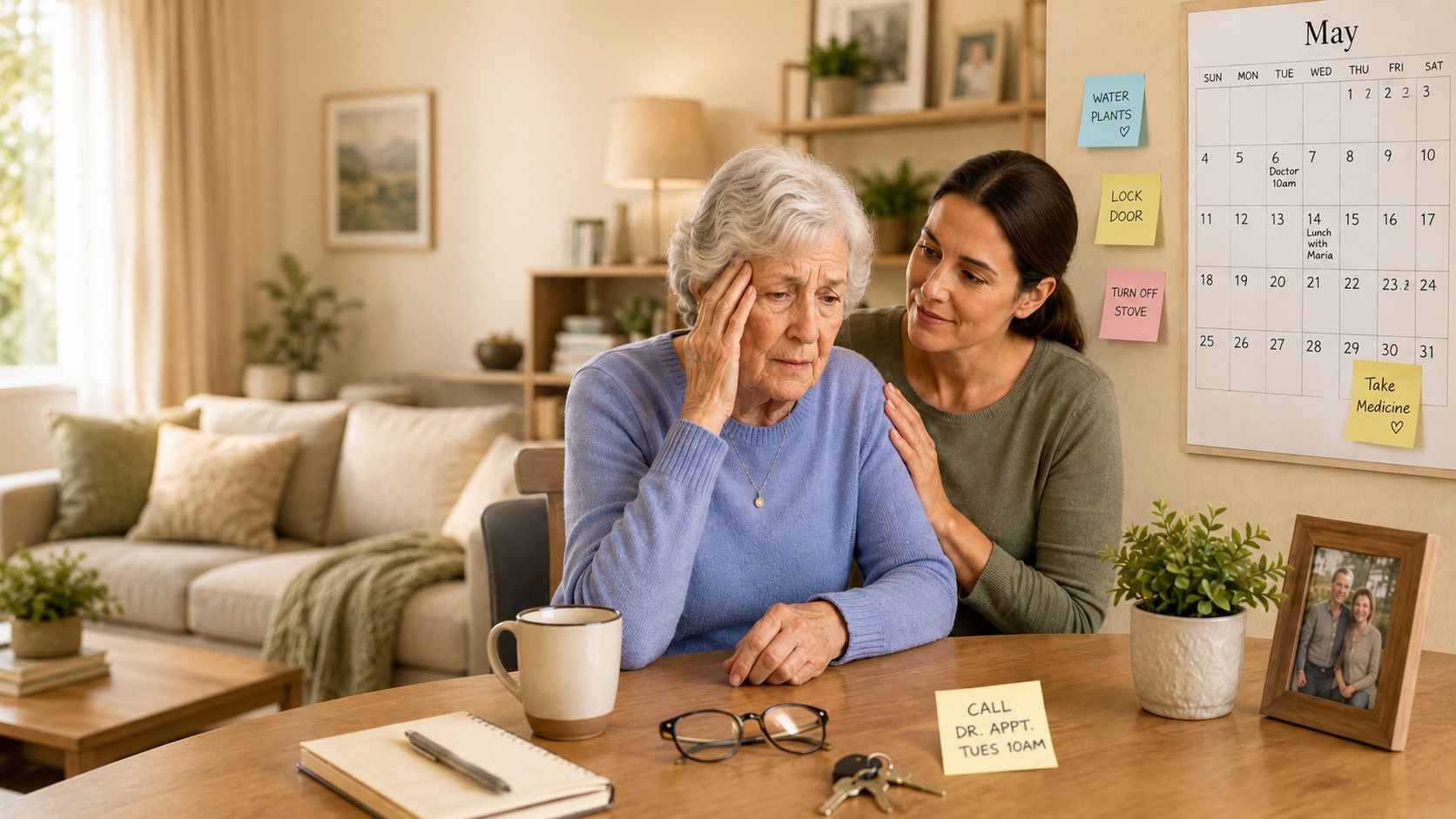
✔️ A stove knob covers or automatic stove shut-off device is worth serious consideration for anyone with memory concerns. Forgotten burners are one of the most common kitchen hazards for older adults with early cognitive changes.
✔️ Good task lighting under cabinets, over the stove, and in pantry areas reduces the visual strain of cooking and makes spills and hazards easier to spot.
------------------❤️------------------
Living Areas and Entryways
✔️ Area rugs, even beautiful, well-intentioned ones are a leading cause of falls. If they stay, they need non-slip backing and secure edges. If mobility is a real concern, removing them entirely is the safer call..
✔️ Furniture placement should allow for stable, hand-to-hand navigation through the room. Think about what your loved one actually touches to steady themselves when moving from one area to another, and make sure those surfaces are sturdy and well-positioned.
✔️ Entryways deserve special attention. A step stool by the door, an absence of handrails, or a slippery threshold can make one of the most-used transitions in the home dangerous. Install a handrail if there are any exterior steps, and consider a keyless entry system to eliminate fumbling with keys.
------------------❤️------------------
Technology That Supports Safety
A few tools that are worth knowing about:
✔️ Medical alert systems (wearable buttons or devices that detect falls) give older adults and their families a real-time safety net, particularly for those who spend time alone.
✔️ Smart home devices, voice-activated lights, thermostats, and speakers, reduce the need to get up or move across the room for routine tasks.
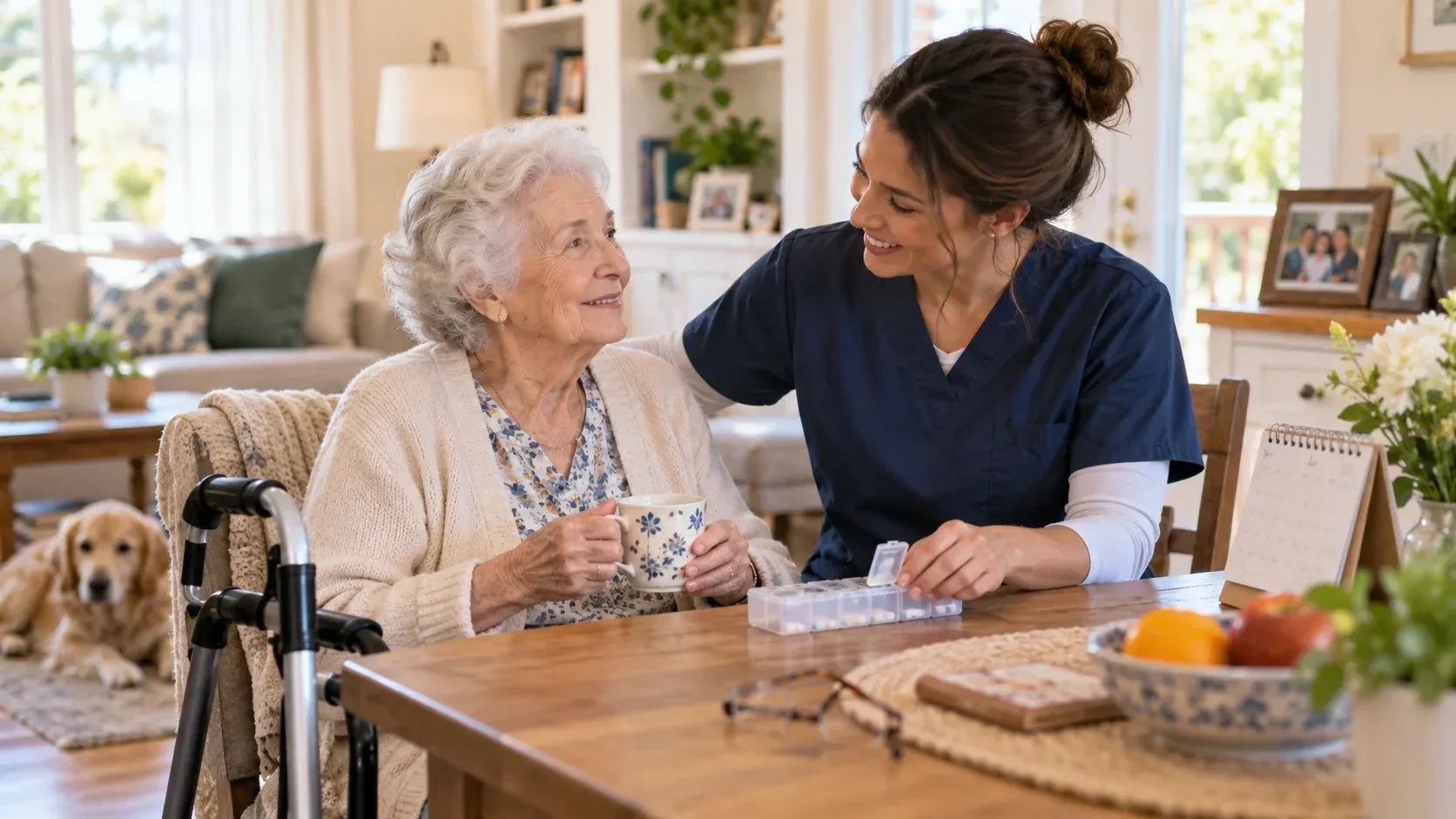
✔️ Medication management systems (pill dispensers with alarms, or blister packs organized by a pharmacy) reduce the risk of missed or double doses, which is one of the more common and underappreciated safety issues for older adults managing multiple prescriptions.
------------------❤️------------------
When Home Modifications Aren't Enough
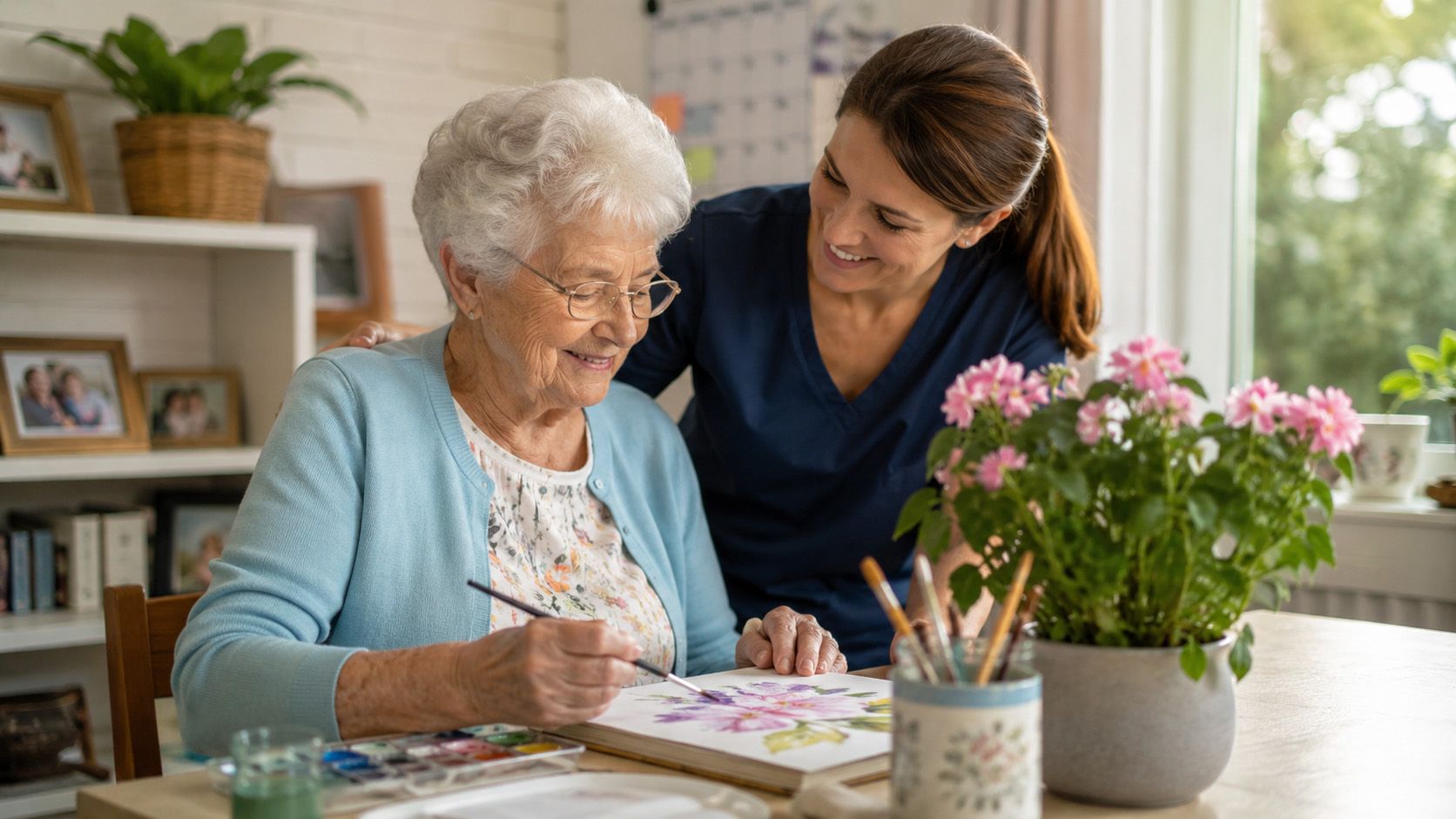
Sometimes a home can be made safer but not safe enough, particularly when a person's care needs change faster than the environment can adapt. When that happens, in-home care becomes the next layer of support, not a replacement for a well-prepared home, but a critical complement to it.
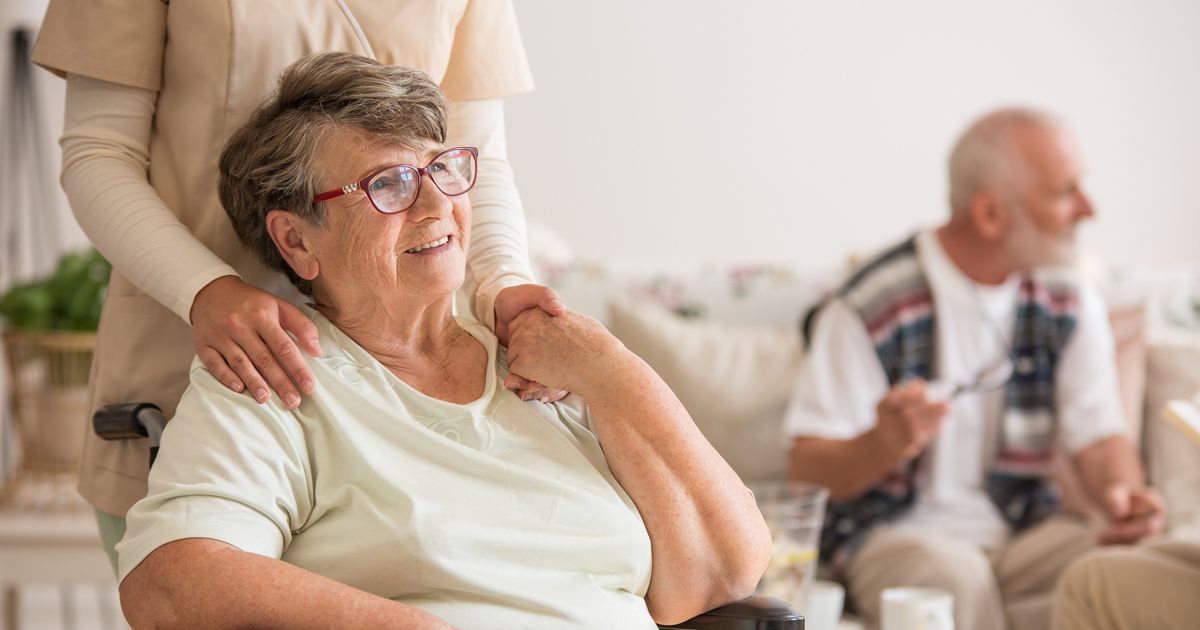
A professional caregiver who comes regularly can catch hazards that family members miss, help with daily tasks that create fall risk, and provide the human presence that technology can't replace.
At Philia, we work alongside families in the Washington DC, Bethesda, and Arlington areas to build care plans that support aging in place safely, whether that means a few hours a week or more comprehensive support. If you're thinking through what the right level of care looks like, we're happy to start with a conversation.

While the information provided in this blog is intended to be informative and helpful, it's important to consult with a qualified professional for personalized advice. If you have any concerns or questions about your health or specific medical conditions, don't hesitate to reach out to your physician or another trusted healthcare provider. Your health is important, and seeking professional guidance ensures you receive the best care tailored to your individual needs.