

Featured Caregiver: Elizabeth M.
Kira Tewalt • August 1, 2017
What motivated you to become a Nanny?
Children and the lack of good quality care, is what motivated me to become a caregiver. I have a huge love for children especially birth to age 5. I really enjoy new things, to light up their eyes, and make them excited about the world. It’s fun to watch them explorer, learn, and adapt to their environment as they grow and change each day.
What do you enjoy about being a Nanny?
I enjoy helping to shape a child’s future by being their trusted adult while mom and dad are away. It’s so very important for a child’s growth and development to have a trusted adult by their side as they explore the changing world around them.
I love the look of excitement on a child’s face when they try something new, say a new word, or walk for the first time. Just as it’s the first time for them, it’s like the first time for me all over again, and I get the joy in knowing that I have helped them on their path to a love of learning. It also gives me joy that the parents also know that their child is well cared for and safe throughout the day. This gives them a better opportunity to concentrate of their jobs until they can come home to their little one. I know that having a trusted caregiver gives parents a little stress relief as their children are so precious to them.
Tell us an interesting or fun story that happened while you were providing child care.
Mimili is the little one I am currently caring for. One day her mom asked that I bring her down to the building museum to play in DC. Playing there works best for mom because she works for the Federal Government right across the street. This gives her the chance to come over on lunch and play with us.
On this trip, we also got to visit the moms job. Working for the Government I had to go through the metal detector, and be patted down. When the officer had me hold my arms out to the side to be searched my Mimili started to yell NO! NO! NO! She began squirming in her mom’s arms and fighting to get down. Both mom, the officer, and myself assured Mimili that I was okay. She wasn’t having it. The officer said to her mom it’s okay let her down and lets she what’s she’s going to do. Mimili got down ran to the officer and starts pushing his leg trying to get him away from me while she yells NO! NO! NO! He says she okay meaning me and she tries to bite him until he backs away from me. When he backs away, she runs and jumps in my arms and says Mine! Lol we all laughed so hard, and the officer says to me,” Looks like you have your own security guard.”
Ardith, Mimili’s mother was laughing so hard. She says I’m so glad she’s so attached to you. That made us all feel so good that she was so protective of me. J


While the information provided in this blog is intended to be informative and helpful, it's important to consult with a qualified professional for personalized advice. If you have any concerns or questions about your health or specific medical conditions, don't hesitate to reach out to your physician or another trusted healthcare provider. Your health is important, and seeking professional guidance ensures you receive the best care tailored to your individual needs.
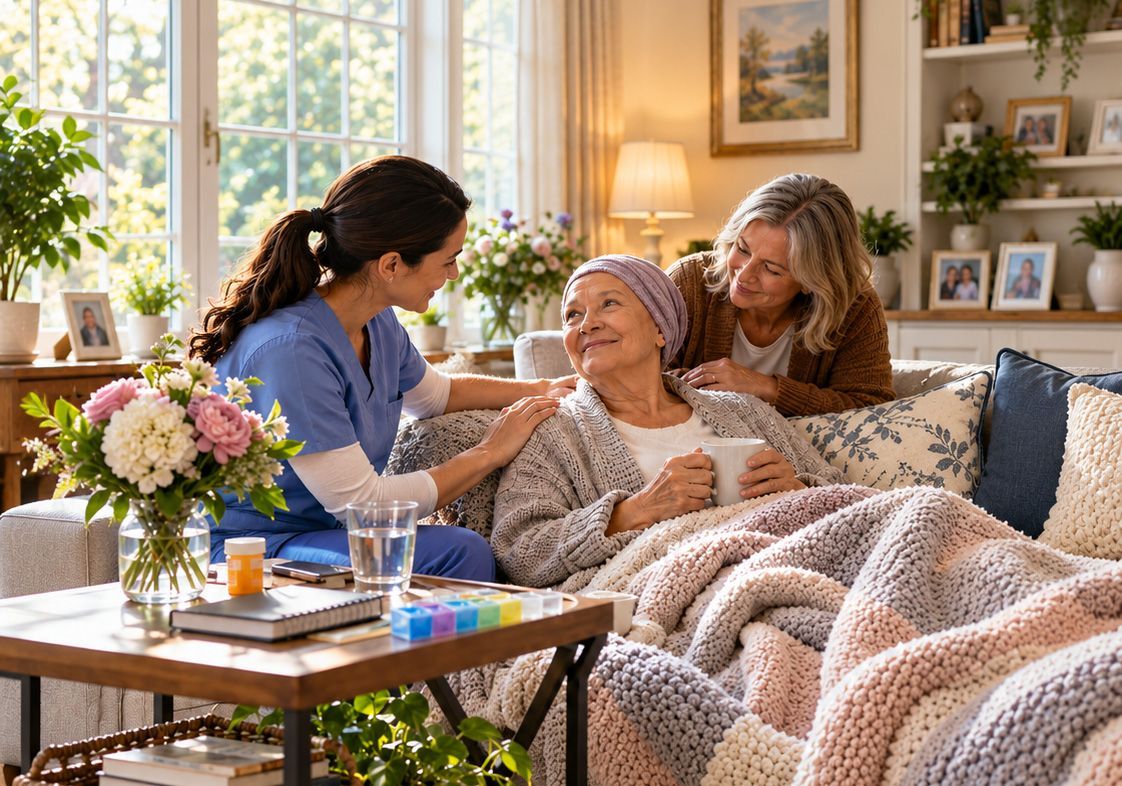
Learn how home care supports seniors during and after cancer treatment with help for appointments, medications, nutrition, safety, and recovery.

Learn what families should prepare before a parent leaves the hospital, including medications, home safety, follow-up care, and in-home support.

Learn how to coordinate home care with doctors and discharge planners to support a safer hospital-to-home transition and reduce gaps in care.
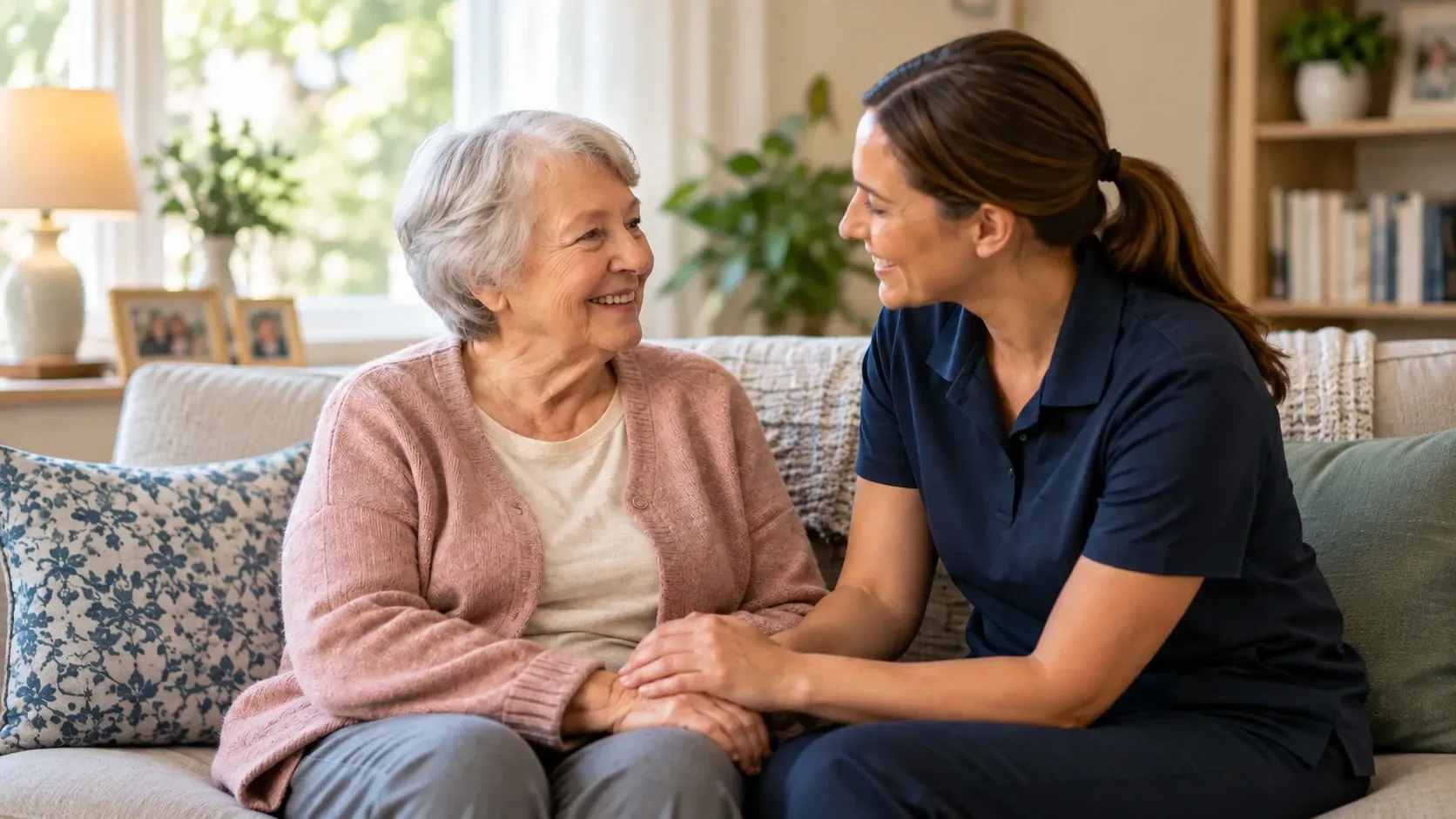
Learn how to transition a parent into home care with less stress by building trust, creating a consistent routine, and easing caregiver resistance.
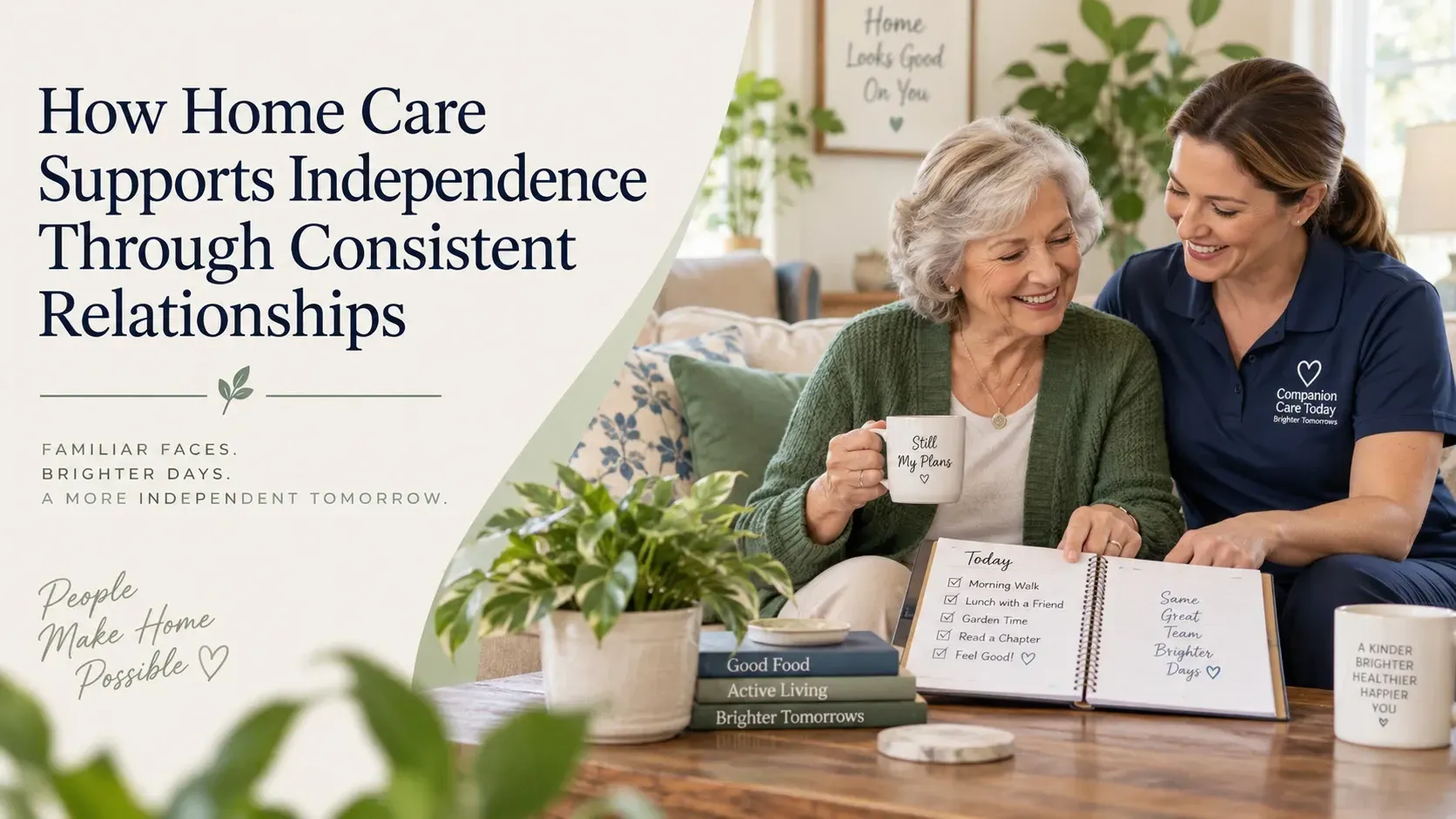
Learn how consistent caregiver relationships help older adults maintain independence, build trust, stay safe, and age in place with confidence.
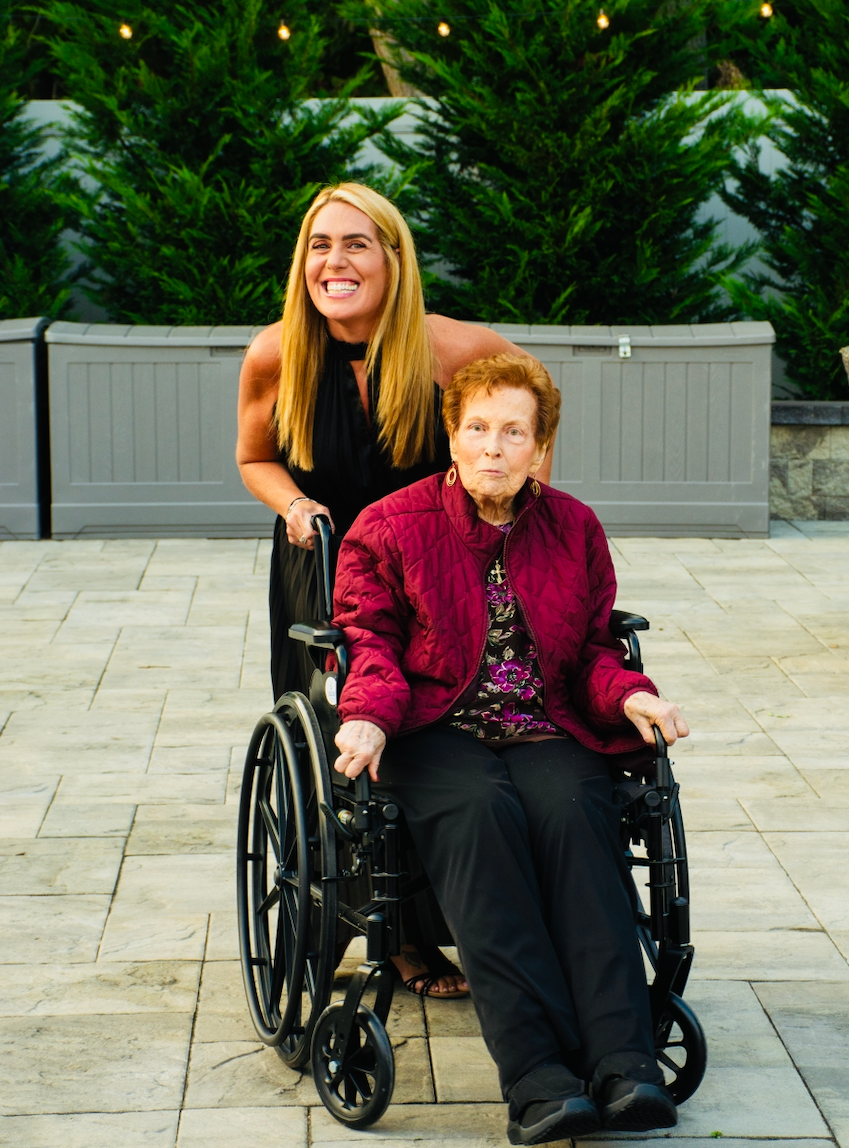
As Long as I Can Still Make Her Dance
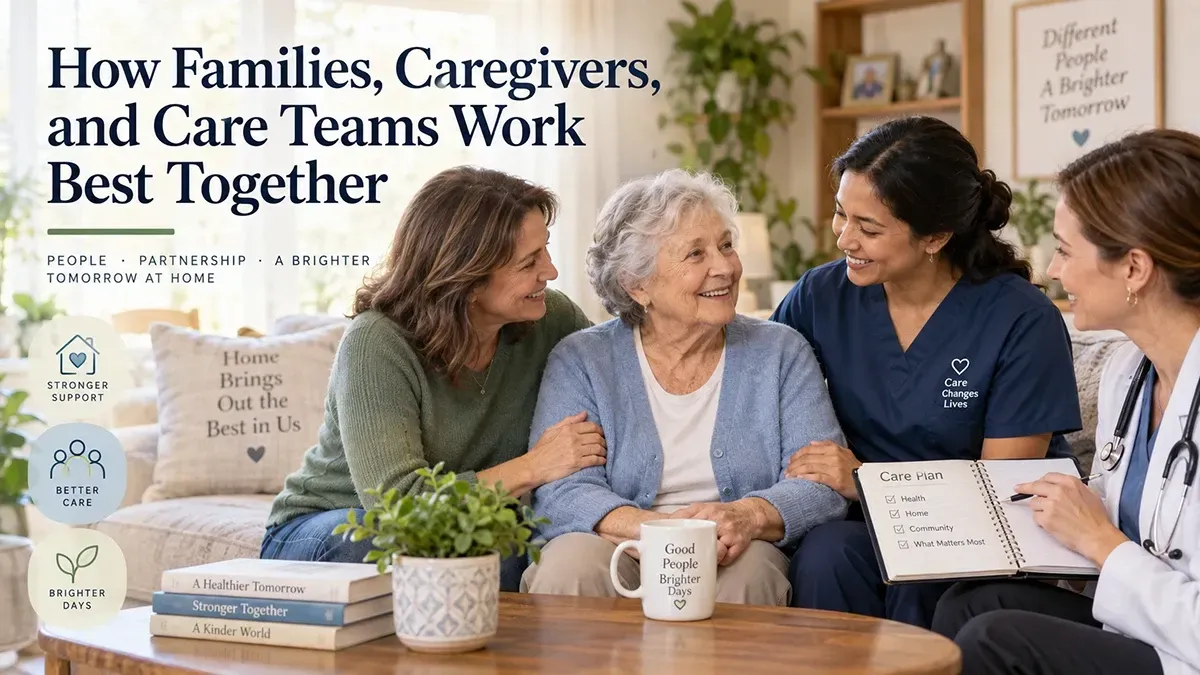
Learn how families, caregivers, and professional care teams work together through clear communication, shared care plans, and ongoing support.
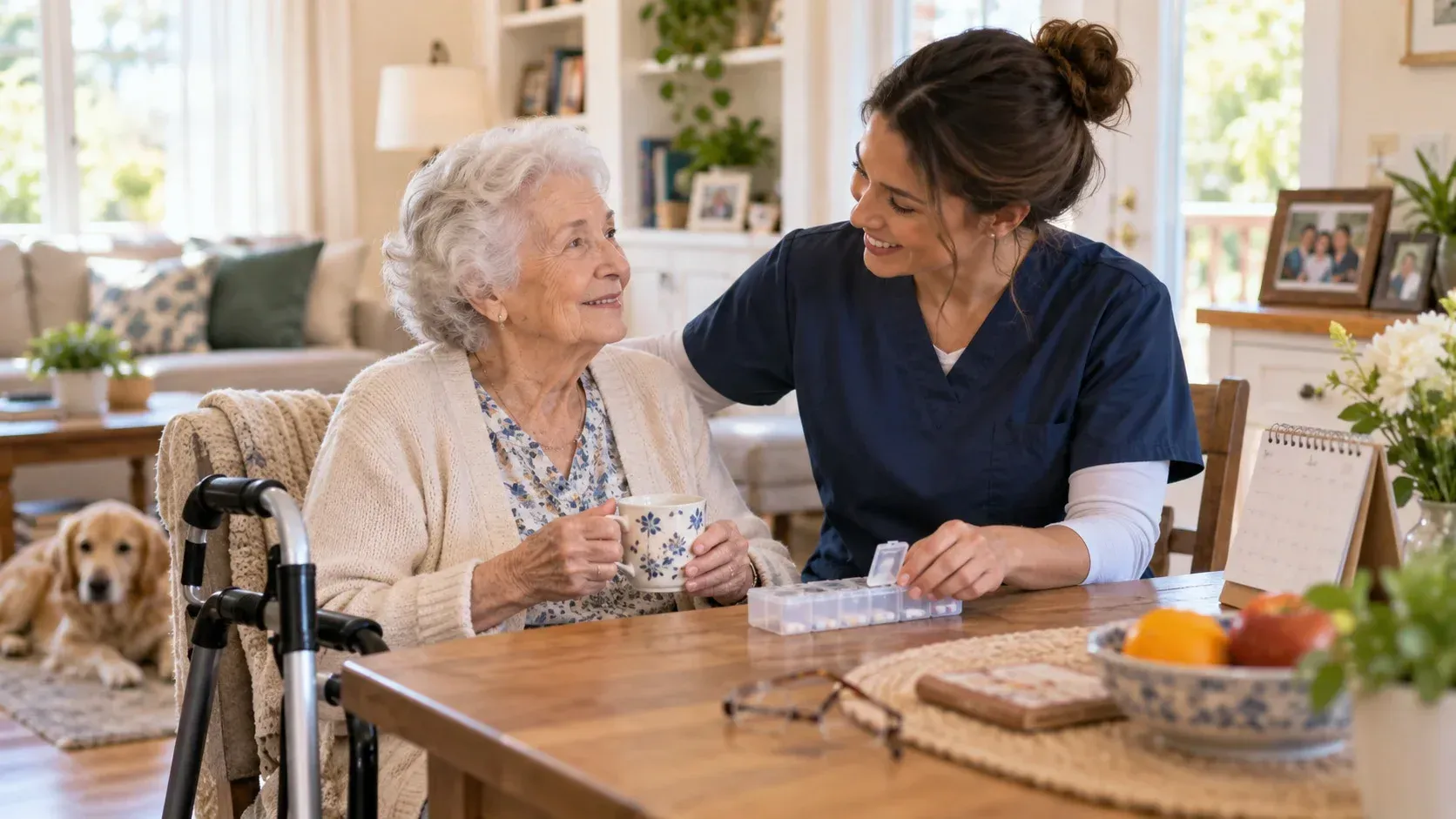
Learn the truth behind 7 common misconceptions about senior home care, from caregiver quality and family support to timing, oversight, and care plans.
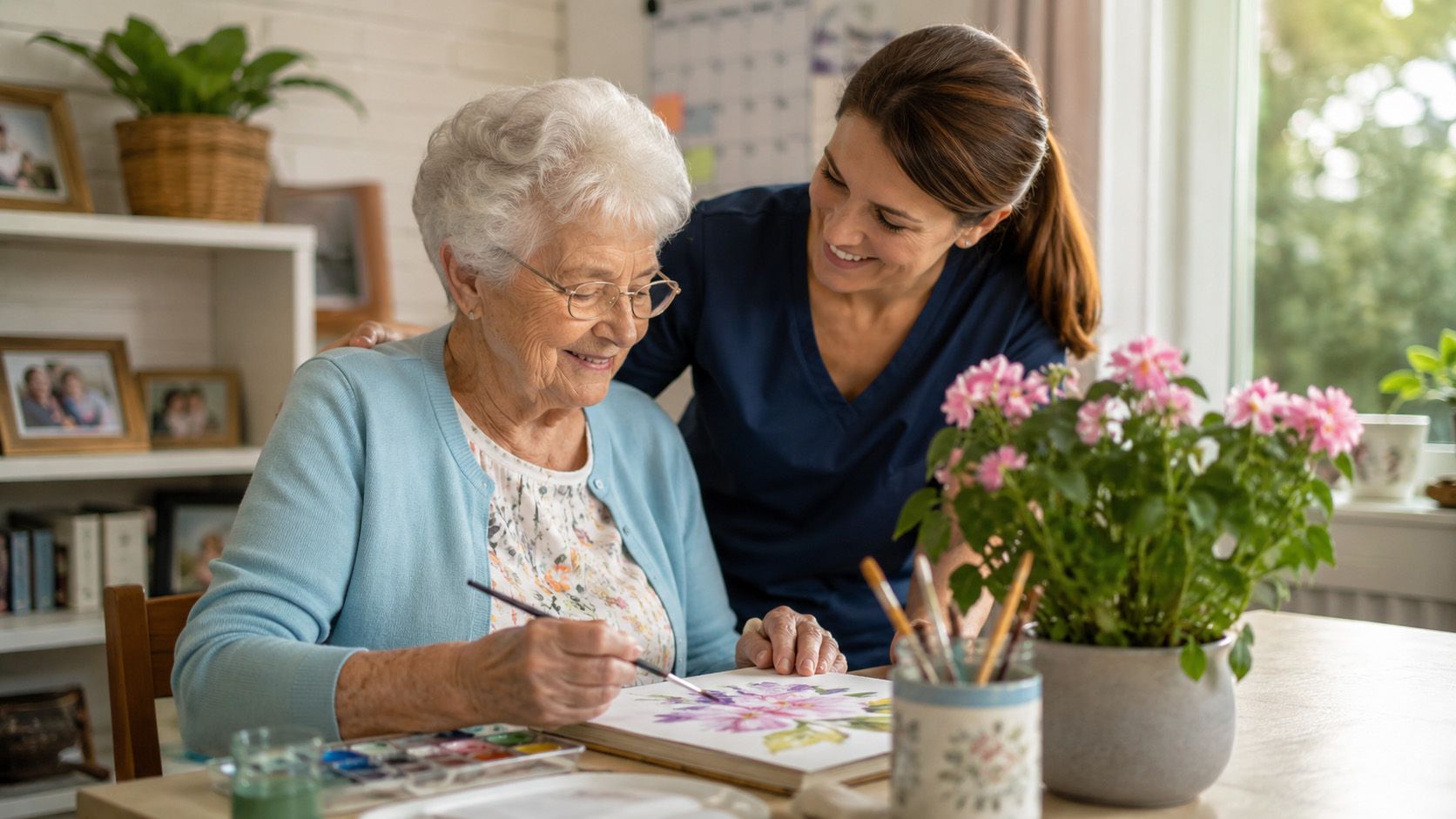
Learn why engagement and purpose belong in every senior care plan, and how meaningful activities, connection, and caregiver support can improve well-being.
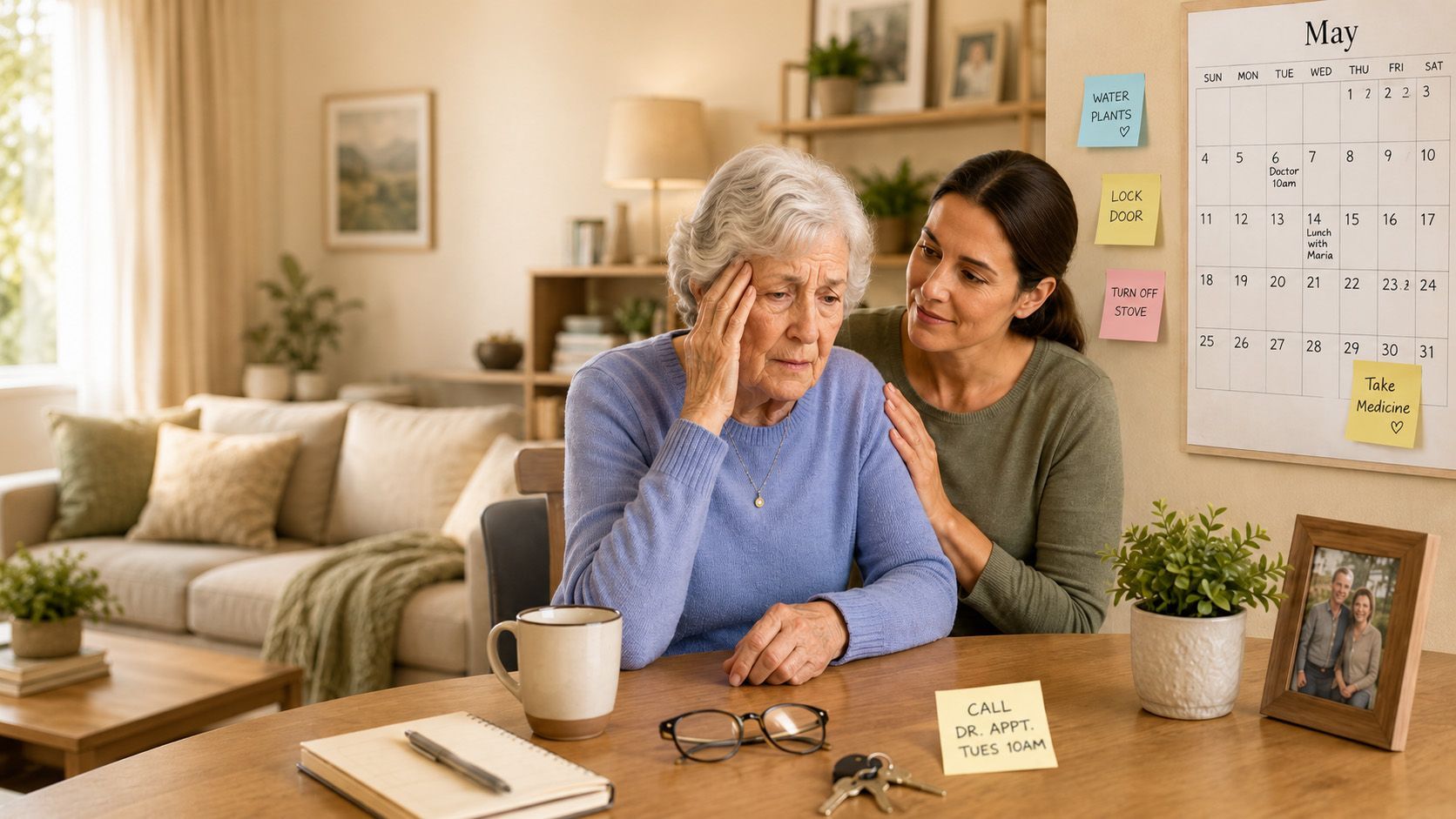
What makes early dementia so difficult to recognize. The signs are real, but they're subtle enough that the people closest to the situation often second-guess themselves.