
Celebrating the 4th of July: Making the Holiday Special for Seniors
Celebrating the 4th of July: Making the Holiday Special for Seniors
The 4th of July, America's Independence Day, is a cherished holiday marked by festive activities, patriotic displays, and communal gatherings. While it is often associated with children and families, it's equally important to consider our senior citizens during this celebratory time. For seniors, the 4th of July can be a wonderful opportunity to reminisce, engage with their community, and enjoy time with loved ones. Here’s how we can make Independence Day special for our senior family members and friends.
Understanding the Significance
For many seniors, the 4th of July carries deep personal and historical significance. They may have vivid memories of past celebrations, wartime experiences, or stories from their parents and grandparents. Acknowledging this historical connection can enrich their experience of the holiday and provide a platform for sharing stories and reflections.
Engaging Activities for Seniors
Community Parades and Fireworks:
- Accessibility: Ensure that any events attended are accessible, with available seating and shade.
- Safety: For seniors sensitive to noise, consider finding quieter viewing areas for fireworks.
Patriotic Crafts and Decorations:
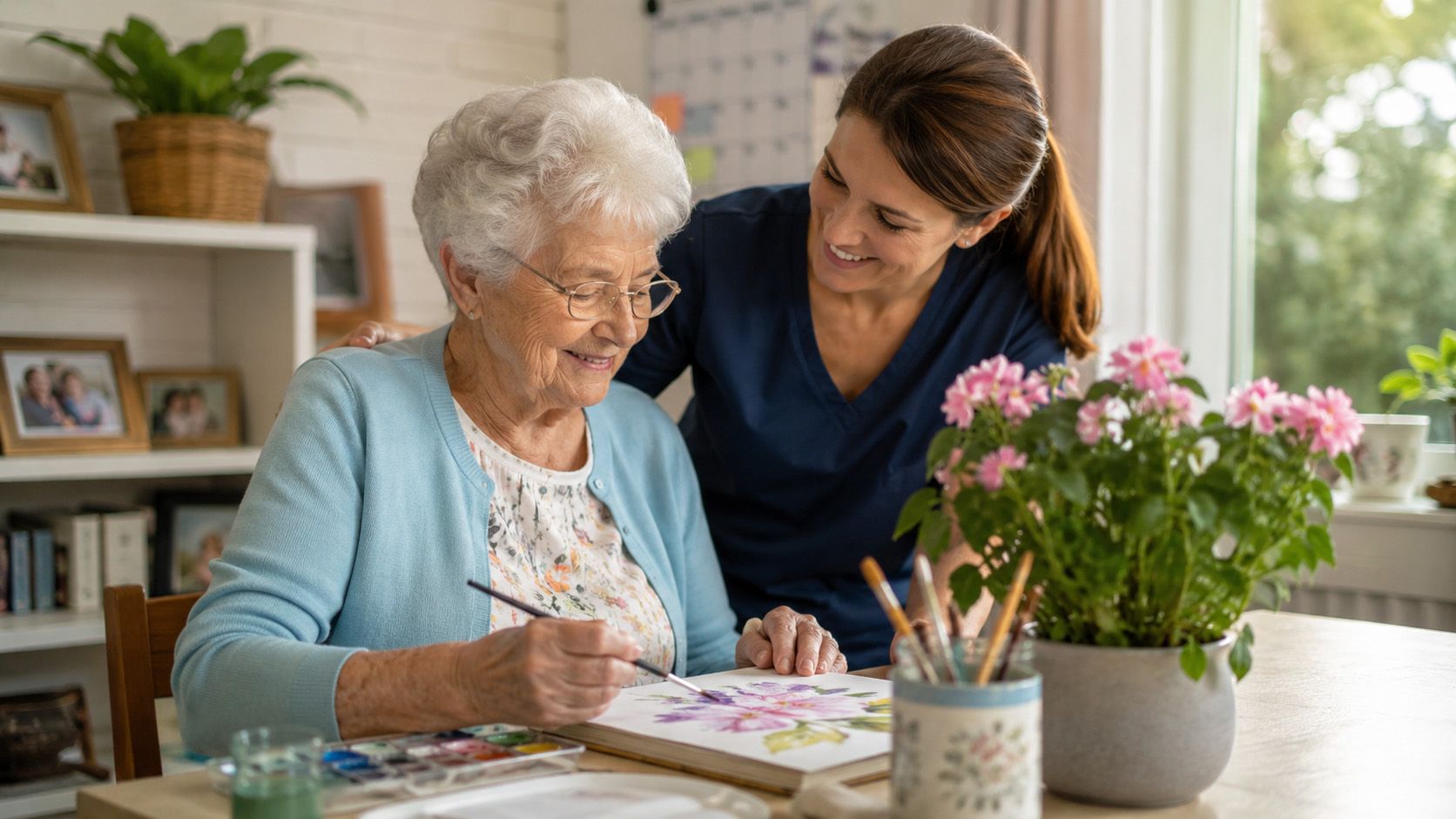
- Group Activities: Organize craft sessions where seniors can make flags, wreaths, or table centerpieces. These activities can be both therapeutic and fun.
- Decorating Spaces: Encourage seniors to decorate their living spaces or common areas in senior centers with patriotic colors.
Storytelling and History Sharing:
- Memory Sharing: Create a space for seniors to share their 4th of July memories and stories. This can be a powerful way to connect generations.
- Guest Speakers: Invite local historians or veterans to speak about the significance of Independence Day.
Music and Dance:
- Patriotic Music: Organize a music session with songs from different eras, allowing seniors to reminisce and sing along.
- Dancing: Gentle dance activities can be both enjoyable and good for physical health.
Culinary Delights:
- Traditional Foods: Prepare traditional 4th of July foods, considering dietary restrictions. Grilled foods, pies, and salads are often favorites.
- Cooking Classes: Engage seniors in simple cooking or baking classes where they can make patriotic-themed treats.
Games and Competitions:
- Bingo: Host a patriotic-themed bingo game with prizes.
- Trivia: Organize a trivia session focused on American history and the 4th of July.
Ensuring Comfort and Safety
Hydration and Weather Protection:
- Ensure seniors stay hydrated, especially if participating in outdoor activities.
- Provide hats, sunscreen, and shaded areas to protect against the sun.
Mobility Assistance:
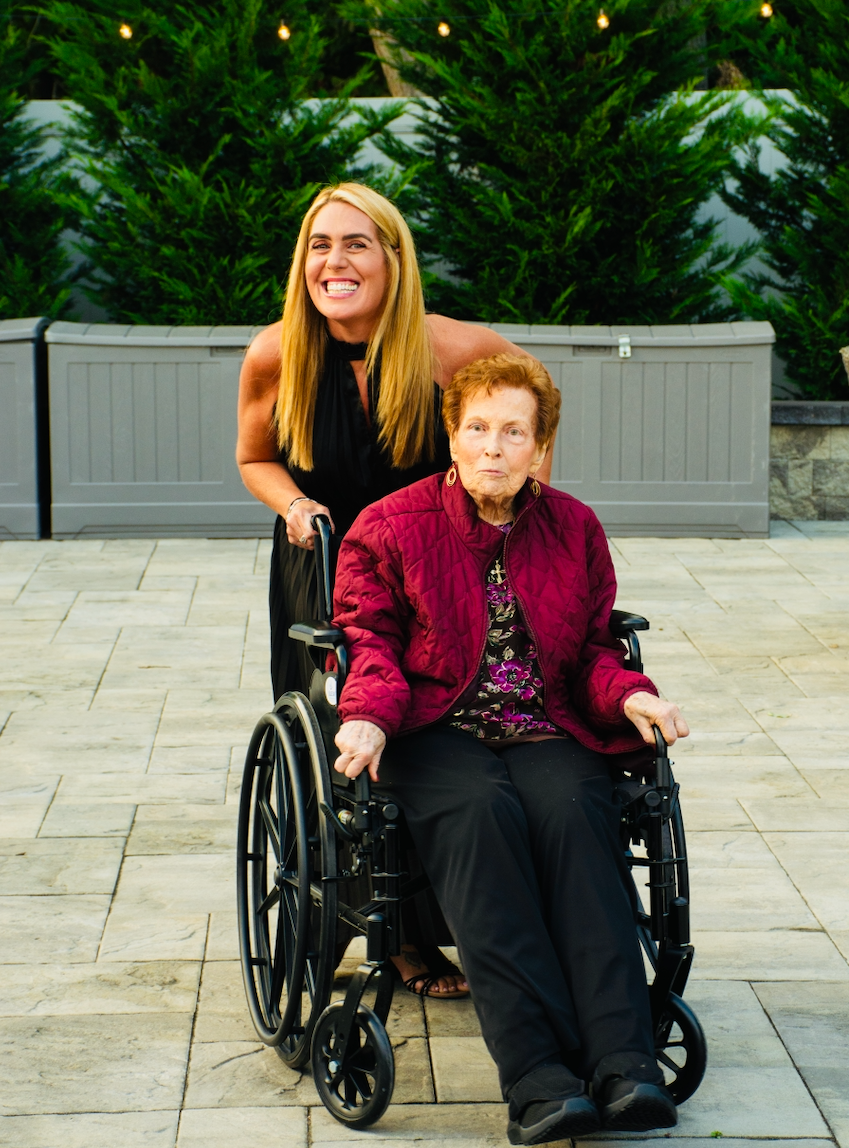
- Arrange for mobility aids if necessary and ensure that event venues are accessible.
- Consider transportation options for seniors who may have difficulty getting to events.
Companionship:
- Ensure seniors have companionship during events. Family members, friends, or volunteers can make a significant difference.
- For those in senior living communities, organizing group outings can foster a sense of camaraderie.
Creating a Sense of Inclusion
Intergenerational Activities:
- Encourage activities that involve both seniors and younger generations. This can foster mutual understanding and respect.
- Storytelling sessions where seniors share their experiences with children can be particularly rewarding.
Community Involvement:
- Involve local community groups, schools, and organizations in senior-focused 4th of July activities.
- Volunteer groups can help organize events and provide assistance where needed.
The 4th of July is a day to celebrate freedom, unity, and the American spirit. For seniors, it’s a time to reminisce, connect, and enjoy the festivities with loved ones. By ensuring accessibility, comfort, and engaging activities, we can make Independence Day a joyful and meaningful experience for our senior citizens. Let’s honor their contributions and cherish their presence as we come together to celebrate this significant day.
While the information provided in this blog is intended to be informative and helpful, it's important to consult with a qualified professional for personalized advice. If you have any concerns or questions about your health or specific medical conditions, don't hesitate to reach out to your physician or another trusted healthcare provider. Your health is important, and seeking professional guidance ensures you receive the best care tailored to your individual needs.