
How to Prevent Senior Falls at Home
September is Fall Prevention Awareness Month
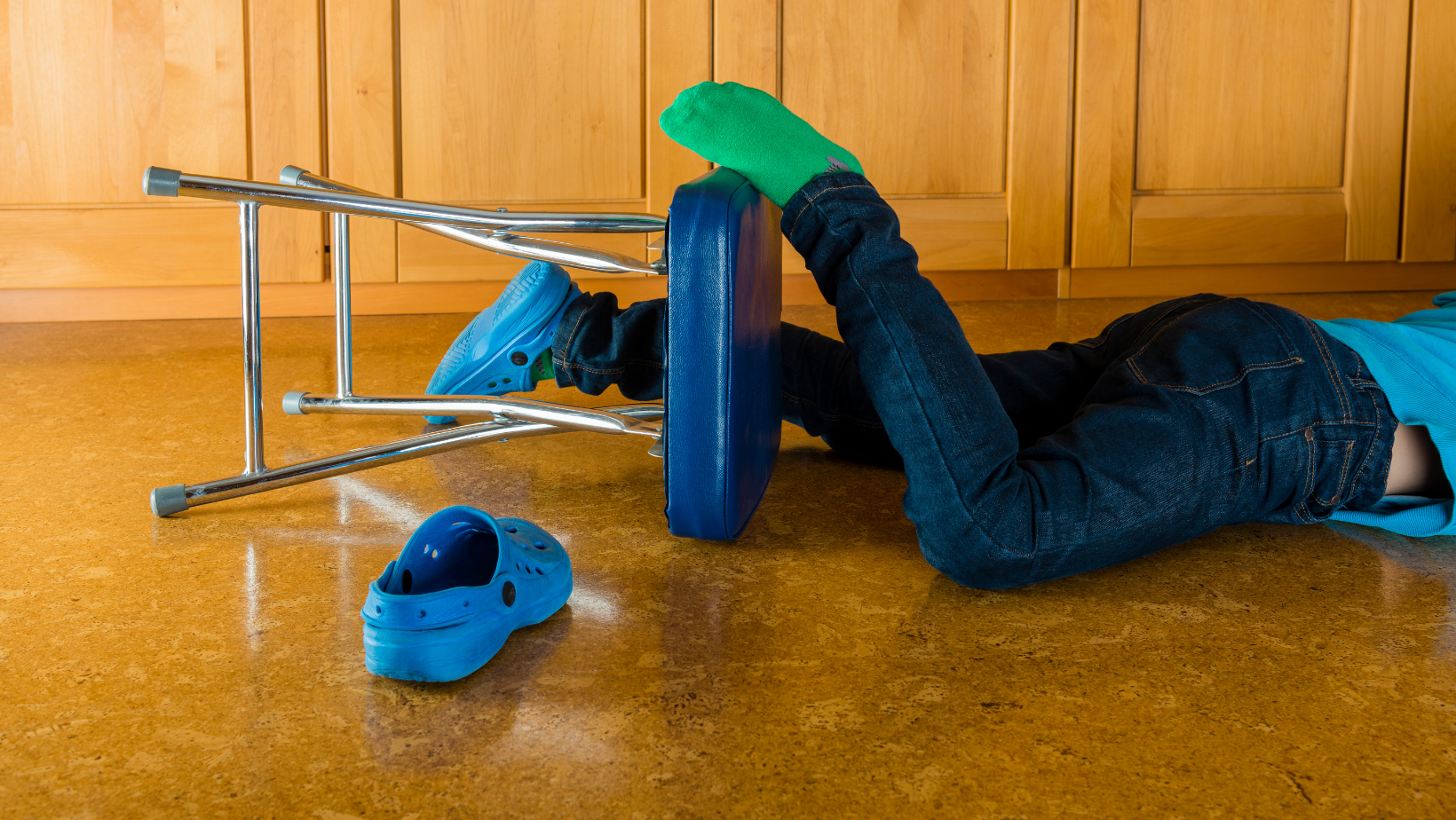
National Falls Prevention Awareness Week, which is September 22-28, is a great time to remind family members and caregivers of the importance of taking measures to make the home a safe place for seniors to live out their golden years. Preventing falls around the home can help prevent serious, and sometimes life-threatening, injuries for your elderly loved ones. There are a few simple steps you can take to prevent senior falls at home.
Importance of Preventing Senior Falls
Even if your loved one avoids an injury when falling, the fall itself can feel stressful and frightening for them. As seniors age, their chance of falling increases, and that can also feel overwhelming. Taking steps to prevent falls around the home will give them—and you—peace of mind and increase their physical safety.
Creating a Safe Space for Seniors
Chances of sustaining life-threatening injuries increase when seniors experience a fall. With the development of osteoporosis as people age, bones become more brittle and are more susceptible to fractures. Oftentimes, a broken hip in an elderly person can lead to death. Reducing the risk of senior falls can help your loved ones stay more independent and prolong their physical health and well-being. Here are a few simple measures you can take to make your elderly loved one’s home a safer place:
Install grab bars in the tub or shower area
- Install a walk-in shower stall with a nonslip surface
- Make sure to secure stair railings
- Remove any slippery rugs
- Add more lighting around the house, especially in the kitchen, bathrooms, and stairways
- Encourage them to slow down and take their time when moving around the home
Taking these simple steps around the home may help save your loved ones from a serious injury.
Philia Home Care Offers In-Home Senior Care Services
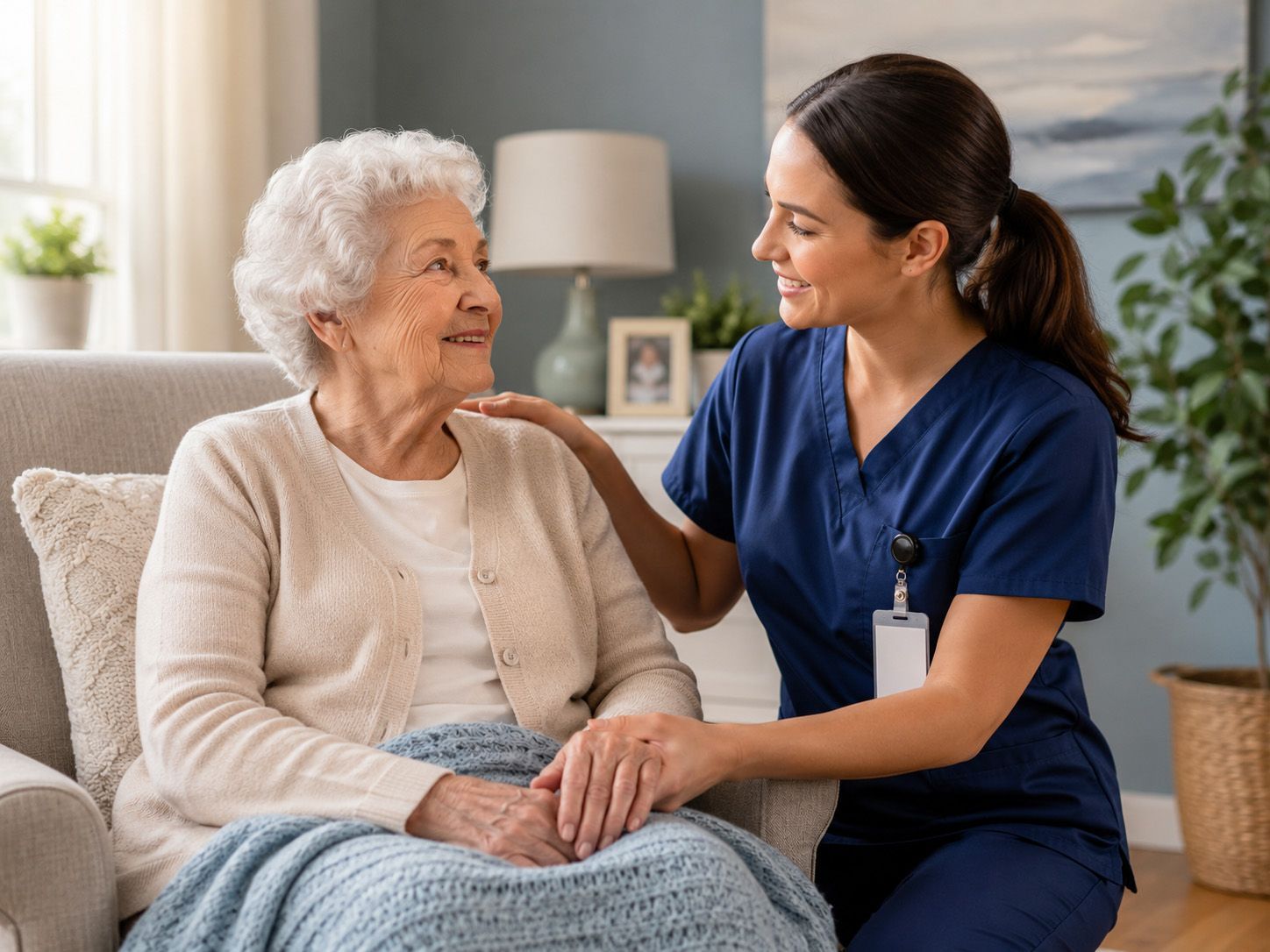
As your loved ones age, their risk of falling increases as they navigate their new physical and emotional needs. Philia Home Care understands the importance of helping seniors maintain their independence during this life transition. That’s why we provide in-home senior care services including medication management, companionship, personalized care, and much more, so seniors can continue to thrive in their own familiar environment.
Contact Us Today for More Information
Would you like to learn more about our in-home senior care services? Contact Philia Home Care today to get started. We can match your loved one with one of our compassionate senior caregivers to help them continue to live safely and independently.
While the information provided in this blog is intended to be informative and helpful, it's important to consult with a qualified professional for personalized advice. If you have any concerns or questions about your health or specific medical conditions, don't hesitate to reach out to your physician or another trusted healthcare provider. Your health is important, and seeking professional guidance ensures you receive the best care tailored to your individual needs.